When it comes to protecting your business, few investments are as important as your building’s roof. A well-installed commercial roof provides critical defense against the elements, supports energy efficiency, and contributes to the overall value of your property. While materials and methods may vary depending on the project, understanding the general installation process can help you plan ahead and make informed decisions. Working with experienced commercial roofers ensures the job is done right—safely, efficiently, and in compliance with local building codes.
Step 1: Initial Inspection and Assessment
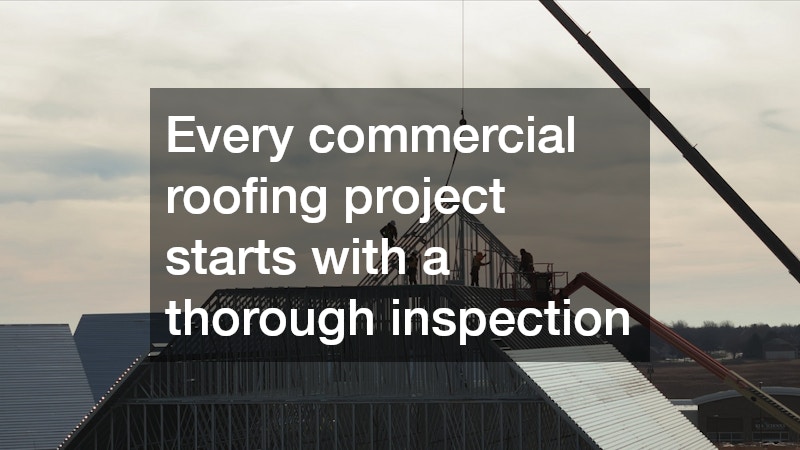
Every commercial roofing project starts with a thorough inspection. Professional commercial roofers will assess the condition of the existing roof, check for signs of water damage, structural issues, or code violations, and evaluate the underlying deck.
This step is critical for determining whether a full replacement is necessary or if a re-roofing or overlay is possible.
During this phase, roofers will also consider the building’s usage, ventilation needs, local climate, and energy efficiency goals. These factors help determine the best roofing material and system design for long-term performance.
Step 2: Choosing the Right Roofing System
There are several types of roofing systems used in commercial settings, including TPO (Thermoplastic Polyolefin), EPDM (rubber roofing), PVC, metal, and modified bitumen. Each has its advantages depending on the building type, budget, and performance expectations.
Experienced commercial roofers can walk you through the pros and cons of each option and help you select the one that meets your specific needs. For example, TPO is known for its energy efficiency and heat resistance, while EPDM is valued for its durability in colder climates.
Once the material is chosen, the roofing contractor provides a detailed proposal including timeline, cost estimate, warranties, and a breakdown of what the installation will entail.
Step 3: Permits and Preparation
Before any physical work begins, the contractor will secure all required building permits and schedule any necessary inspections. This ensures the project is fully compliant with local codes and safety regulations.
Next, the job site is prepped. This includes setting up safety barriers, staging materials, and coordinating with facility managers to minimize disruptions to business operations. If the building is occupied during the project, commercial roofers may develop a phased installation plan to ensure safe access and continued functionality for tenants or employees.
Step 4: Removal of the Old Roof (If Applicable)
In many cases, the existing roofing system must be removed to install a new one. Tear-off involves stripping away old membranes, insulation, and flashing to expose the underlying deck. This is a critical step, as it allows roofers to examine the structural integrity of the substrate.
If the deck is compromised—such as rotting wood or corroded metal—it will need to be repaired or replaced before moving forward. Failing to address underlying issues can lead to premature failure of the new roofing system.
Step 5: Deck Preparation and Insulation
Once the roof deck is exposed and confirmed to be sound, it must be cleaned and prepped. Commercial roofers will often install a vapor barrier to prevent moisture from entering the insulation layer. Proper insulation is then added to meet energy codes and thermal performance requirements.
There are several types of insulation used in commercial roofs, including polyisocyanurate (ISO), extruded polystyrene (XPS), and expanded polystyrene (EPS). The right choice depends on the roofing system being installed and your building’s specific energy goals.
Step 6: Roofing System Installation
With the deck and insulation in place, it’s time to install the roofing membrane or panels. The method of installation will depend on the type of roofing system chosen:
-
Single-ply systems (like TPO, EPDM, or PVC) may be mechanically fastened, fully adhered, or ballasted.
-
Modified bitumen systems are typically applied in multiple layers using hot asphalt, cold adhesives, or torches.
-
Metal roofing panels are installed using fasteners and sealants, with interlocking seams to ensure water resistance.
Commercial roofers work systematically to lay out the material, weld seams (for thermoplastic membranes), and ensure every inch is properly sealed. They also install flashing around penetrations like HVAC units, skylights, and vents to prevent leaks.
Step 7: Drainage and Water Management
Proper drainage is crucial for commercial roofs, especially flat or low-slope designs. Roofers will install internal drains, scuppers, or gutters to ensure water is directed away from the roof surface. Without a reliable drainage system, ponding water can degrade materials and lead to costly leaks.
The slope of the roof may be adjusted during installation to promote better water runoff. This is often achieved with tapered insulation or structural adjustments.
Step 8: Final Inspection and Quality Check
Once the installation is complete, commercial roofers perform a final inspection to verify workmanship and compliance with the original specifications. This includes checking seams, flashings, fasteners, and drainage systems.
Some roofing manufacturers also require a third-party inspection to validate warranties. The final walkthrough with the property owner or manager ensures all concerns are addressed and that the new roofing system is ready for long-term performance.
Step 9: Cleanup and Documentation
After the inspection, the job site is cleaned, and all debris and excess materials are removed. The roofing team will provide documentation including warranty information, maintenance guidelines, and proof of compliance with local codes.
A reputable commercial roofing contractor may also offer a maintenance plan to help extend the life of your new roof. Regular inspections and minor repairs can prevent future issues and protect your investment.
Installing a commercial roof is a complex but highly coordinated process that requires planning, precision, and expertise. From the initial assessment to the final inspection, each step is designed to ensure a durable and reliable result. Partnering with experienced commercial roofers can make all the difference—ensuring your roof is built to last, meets all safety and performance standards, and supports your building’s long-term success.