A well-maintained parking lot does more than just provide a place for vehicles. It creates a strong first impression, enhances safety, and extends the lifespan of your pavement. Whether you manage a commercial property, retail center, or apartment complex, regular parking lot maintenance is essential for keeping your space functional and appealing. By following a few best practices, you can prevent costly repairs, reduce liabilities, and ensure your lot remains in top condition year-round.
The Importance of Parking Lot Maintenance
Your parking lot experiences constant wear and tear from vehicle traffic, weather exposure, oil leaks, and UV rays. Without proper care, small cracks can quickly become large potholes, and faded striping can make navigation confusing for drivers.
Proactive parking lot maintenance helps preserve the pavement, prevent accidents, and maintain a professional appearance that reflects positively on your property.
Additionally, a smooth, clearly marked parking lot improves traffic flow and pedestrian safety. Investing in routine maintenance can save you significant money in the long run by preventing premature pavement replacement.
Regular Cleaning and Debris Removal
One of the simplest yet most important parking lot maintenance tasks is regular cleaning. Dirt, leaves, trash, and oil stains not only make your lot look unsightly but can also lead to surface damage. For instance, debris that sits for too long can trap moisture, weakening the asphalt or concrete underneath.
A consistent cleaning schedule, such as sweeping once or twice a week, helps prevent buildup and allows early detection of problems like cracks or drainage issues. Power washing can also be useful for removing tough stains and oil spots that break down the pavement over time.
Sealcoating for Long-Term Protection
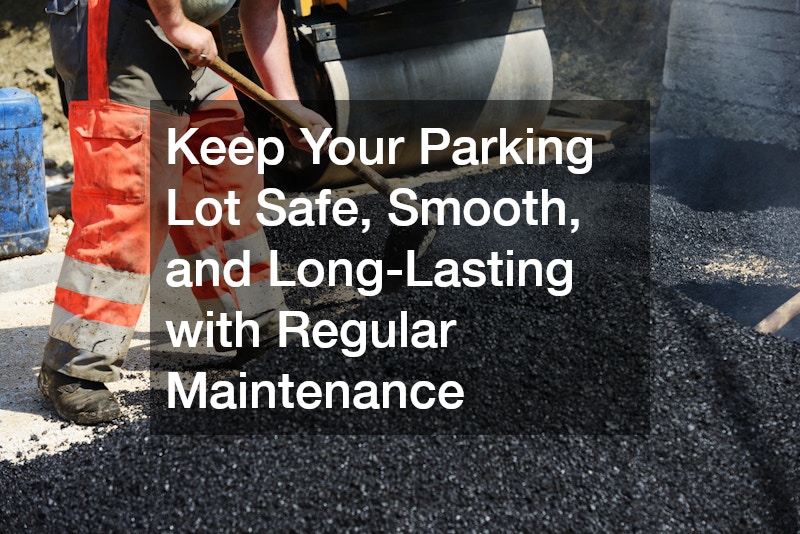
Sealcoating is one of the most effective ways to prolong the life of your asphalt pavement. This process involves applying a protective coating that shields the surface from water, sunlight, and chemical spills. Over time, UV rays and weather exposure cause asphalt to oxidize, leading to brittleness and cracks.
Applying a sealcoat every two to three years restores the surface color and helps keep your lot smooth and resilient. It is important to ensure that the surface is clean and dry before applying the sealant and that the weather conditions are favorable for curing. Regular sealcoating is a cornerstone of any solid parking lot maintenance plan.
Crack Sealing and Pothole Repair
Even with preventive care, cracks are inevitable as pavement ages. Addressing cracks quickly is crucial for preventing larger structural issues. Water can seep into these openings, freeze during colder months, and cause the cracks to expand.
Crack sealing involves filling these gaps with a rubberized material that prevents moisture penetration. Similarly, potholes should be patched immediately to avoid vehicle damage and safety hazards. A timely repair approach keeps your lot in good condition and prevents minor damage from escalating into major resurfacing projects.
Proper Drainage Maintenance
Standing water is one of the biggest threats to pavement integrity. Poor drainage can cause water to seep into the subbase, leading to erosion, cracking, and potholes. As part of regular parking lot maintenance, inspect catch basins, curbs, and drains to ensure they are clear and functioning properly.
If you notice areas where water pools after rainfall, these low spots should be regraded or resurfaced to promote proper water flow. Good drainage helps protect your pavement, reduces slick surfaces, and minimizes the risk of accidents.
Line Striping and Signage
Clear and visible markings are essential for directing traffic and maintaining safety in your parking lot. Over time, painted lines fade due to constant exposure to sunlight and weather. Regularly refreshing your line striping improves the overall appearance and functionality of your lot.
Make sure arrows, crosswalks, handicap spaces, and fire lanes are clearly marked according to local codes. If your parking lot includes signage, check that it is visible, upright, and meets current safety and accessibility standards. Proper striping and signage are key elements of effective parking lot maintenance and help ensure compliance with safety regulations.
Seasonal Care and Inspections
Weather plays a major role in how your parking lot wears over time. In colder climates, snow and ice can create unique challenges, while hot climates can accelerate asphalt deterioration. Adjust your parking lot maintenance plan to account for seasonal needs.
In winter, use de-icers carefully, as some products can damage asphalt and concrete. Keep snow removal equipment in good condition to avoid scraping or gouging the surface. During summer, inspect for heat-related cracking or fading and schedule resealing if necessary.
Conduct a full inspection at least twice a year to check for signs of wear, drainage issues, or fading lines. Regular inspections help you catch maintenance needs early before they become extensive and costly.
Working with Professional Maintenance Services
While some tasks can be handled in-house, partnering with professional maintenance companies can ensure thorough and long-lasting results. Professionals have the right equipment and experience to perform crack sealing, sealcoating, and resurfacing efficiently and correctly.
A comprehensive service plan from a trusted provider can include regular inspections, scheduled cleaning, and repair services to ensure your pavement remains in excellent condition throughout the year.
Consistent parking lot maintenance not only enhances the appearance of your property but also improves safety, functionality, and longevity. From regular cleaning and sealing to careful line striping and drainage management, each step plays an important role in preserving your investment.
By staying proactive and addressing small issues before they worsen, you can extend the life of your pavement, reduce repair costs, and create a positive impression on visitors. A clean and well-maintained parking lot is a sign of professionalism and care for those who use your property every day.