
Running a small business is a balancing act between growth, customer satisfaction, and managing costs. While many owners track the obvious monthly expenses like rent, payroll, and inventory, a range of less visible or irregular costs often quietly erode profits. From preventive maintenance to professional services, these expenses may not appear in day-to-day cash flow planning but can become costly if ignored. By anticipating these overlooked costs and strategically planning for them, small business owners can safeguard their operations, maintain consistent quality, and strengthen long-term sustainability.
Anticipating Electrical System Wear Before It Disrupts Operations
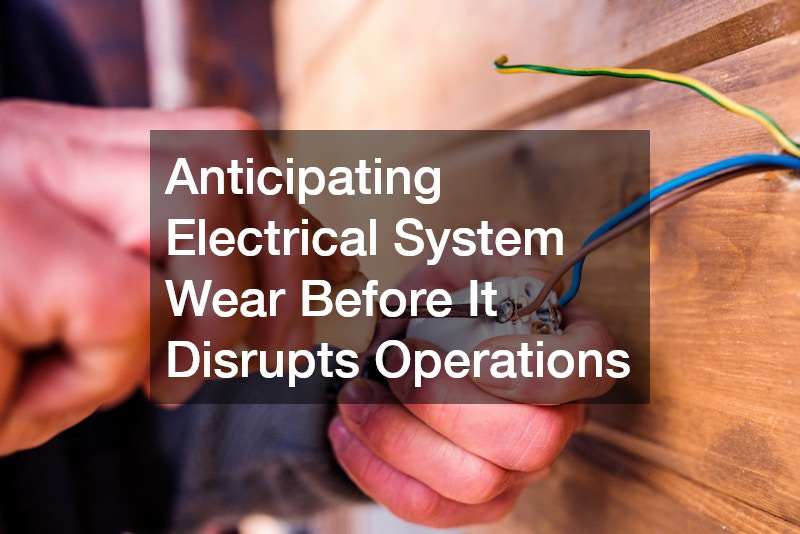
Electrical systems form the backbone of virtually every business operation, yet many owners overlook the potential costs associated with maintenance, upgrades, and emergency repairs. Poorly maintained wiring or outdated panels can lead to equipment failures, operational downtime, or even safety hazards, making proactive planning essential.
Regular inspections with an electrician can identify minor issues before they escalate into major problems that disrupt business. Upgrading electrical panels or circuits ahead of time ensures that growing equipment demands are met while avoiding costly emergency service fees. Creating an emergency reserve for unexpected repairs is particularly important for businesses that rely on specialized or high-powered equipment. Additionally, tracking historical service costs allows owners to anticipate future replacements of outlets, breakers, or wiring, making budgeting more accurate.
Educating staff on safe electrical practices further reduces the likelihood of preventable issues and enhances workplace safety. Many small business owners underestimate how quickly electrical problems can become expensive, particularly when downtime affects other systems or overall operations. By allocating a modest portion of the budget to preventive maintenance, businesses can protect continuity, extend the lifespan of their equipment, and minimize disruptive surprises before they occur.
Budgeting for Water Infrastructure Beyond Monthly Utility Bills
Water is another utility that often carries hidden expenses, particularly for businesses with specialized plumbing or private water sources. While monthly water bills are predictable, many owners overlook the irregular or emergency costs that can arise when water systems fail or deteriorate. Without proper maintenance, these hidden expenses can disrupt operations, damage property, and create costly downtime.
For businesses relying on wells or specialized water systems, costs may include:
-
Pump repairs or replacements to maintain consistent water flow and prevent interruptions that could affect operations.
-
Periodic testing and treatment to ensure water quality, prevent contamination, and comply with local health standards.
-
Emergency services when the water supply fails, which often come at a premium, especially during peak operating hours.
-
Routine inspections to identify potential leaks, corrosion, or structural weaknesses that could escalate into larger problems.
Regularly budgeting for these maintenance needs, rather than waiting for a crisis, allows small business owners to avoid costly interruptions and maintain smooth operations. Working with a reliable well pump services provider on a preventive schedule can also extend equipment life, improve efficiency, and provide peace of mind knowing that water-dependent systems are less likely to fail unexpectedly.
Accounting for Informal Management Structures That Increase Long-Term Costs
Many small businesses, regardless of ownership type, struggle with informal management practices. Even businesses that are not family-run may fall into patterns often associated with a family owned business, such as informal decision-making, unclear responsibilities, and verbal agreements that lack proper documentation. While these practices may feel flexible and personal, they can result in overlooked costs, missed deadlines, and avoidable mistakes.
Documenting all workflows, responsibilities, and approval processes helps reduce confusion and ensures that every team member understands their role. Establishing clear reporting lines and accountability, particularly in areas like purchasing or contract management, prevents miscommunication and ensures that decisions are made efficiently. Scheduling periodic reviews of internal processes allows business owners to identify inefficiencies that might not be obvious during day-to-day operations.
Implementing basic financial controls, including routine reconciliations and approvals, helps prevent accidental overspending and ensures that budgets are followed. Additionally, considering external advisory services can provide guidance on compliance, particularly for regulatory, tax, or labor-related requirements, reducing the risk of costly mistakes.
Accounting for Interior Surface Wear in High-Traffic Areas

Physical wear and tear inside a business space can be a surprisingly large expense if neglected. Flooring, in particular, is a high-traffic component that is often overlooked in operating budgets. Floors endure constant use from employees, customers, and equipment, which can lead to scratches, stains, fading, or structural issues that affect both appearance and safety. Ignoring minor damage can result in costly replacements and potential liability issues over time.
Costs associated with flooring can include:
-
Full replacements of carpet, tile, or hardwood after years of heavy use, particularly in areas with frequent foot traffic or equipment movement.
-
Spot repairs and refinishing to maintain a professional appearance and protect underlying materials from further damage.
-
Preventive maintenance such as regular cleaning, polishing, and sealing to extend lifespan and reduce the frequency of costly replacements.
-
Insurance considerations if damage leads to slips, trips, or falls, which may increase premiums or result in claims.
Business owners can manage these expenses by planning phased replacements, selecting durable materials appropriate to each area, and implementing preventative measures such as mats or runners in high-traffic zones. Allocating a small portion of the operating budget each year toward flooring maintenance not only prevents larger, unexpected outlays but also preserves a professional environment, improves safety, and enhances overall customer and employee experience.
Managing Exterior Maintenance to Protect Curb Appeal and Safety
Curb appeal is not just aesthetic—it directly affects customer perception, employee satisfaction, and overall safety. Exterior maintenance is often underestimated, yet regular landscaping, cleaning, and upkeep can prevent both accidents and costly repairs. Scheduling landscaping services on a consistent basis helps avoid overgrowth, pest infestations, and potential damage to property.
Trimming trees and shrubs maintains visibility, enhances safety, and ensures compliance with local ordinances. Proper irrigation system maintenance prevents overwatering or leaks that could damage sidewalks, building foundations, or landscaping features. It is also important to monitor exterior structures, such as fences, signage, and walkways, for signs of wear that may require periodic repair.
Budgeting for seasonal or unexpected landscaping projects, including damage from weather or other natural events, allows businesses to maintain consistent appearance and functionality. A steady, proactive approach to lawn care and exterior maintenance not only protects the property’s value but also ensures compliance with safety regulations and reinforces a professional and welcoming business image.
Protecting Data Assets With Proactive Security Spending
In today’s digital world, cyber threats can create significant hidden costs for businesses of all sizes. Data breaches, ransomware attacks, or even simple system failures can disrupt operations, damage reputations, and generate costly regulatory fines. Many small businesses underestimate these risks, believing that cyberattacks only target large corporations. However, investing in proactive cybersecurity measures can prevent financial loss, operational downtime, and long-term brand damage.
-
Partnering with local cybersecurity services for system audits, vulnerability assessments, and ongoing monitoring to detect weaknesses before they are exploited.
-
Implementing employee training programs to reduce risks related to phishing, weak passwords, or unsafe digital practices.
-
Budgeting for software updates, firewalls, and secure backups to maintain system integrity and quickly recover from potential incidents.
-
Evaluating third-party service providers for security compliance, particularly those handling sensitive customer or financial data, to avoid indirect exposure.
-
Establishing incident response plans to quickly address any potential breaches, minimizing downtime, financial exposure, and reputational damage.
Even small businesses with limited digital footprints can benefit from dedicating part of their operating budget to cybersecurity. Proactive investment not only reduces direct and indirect costs associated with cyber incidents but also builds customer trust, supports compliance, and ensures continuity of business operations even in the event of an attack.
Preparing for Climate Control Failures Before Peak Seasons
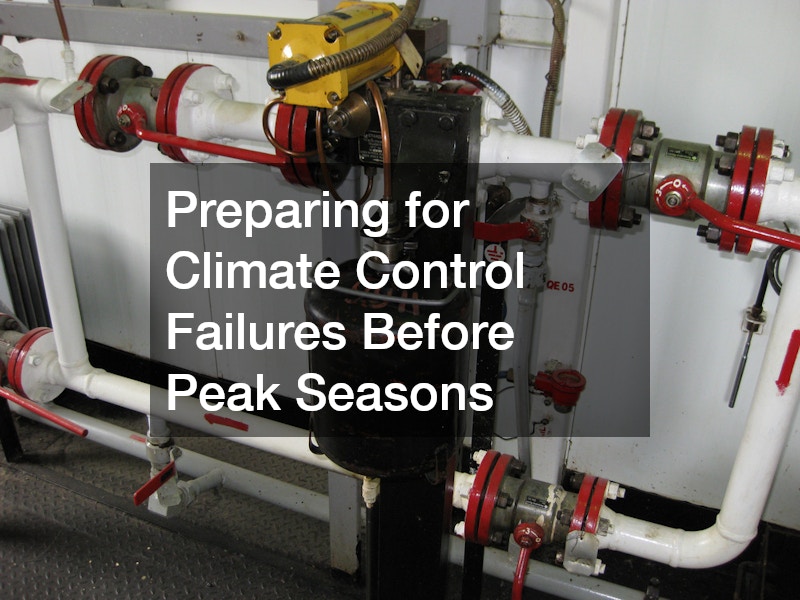
HVAC systems are critical to both comfort and operational efficiency, yet many businesses postpone servicing until a system failure occurs. Deferring maintenance can result in costly repairs, reduced energy efficiency, and unexpected downtime that disrupts daily operations. Scheduling regular inspections and cleanings with a trusted HVAC company helps identify potential problems early and ensures the system runs smoothly. Replacing filters, cleaning ducts, and calibrating thermostats improve energy efficiency and prolong the lifespan of the equipment.
Maintaining detailed records of past service allows business owners to anticipate potential system failures and plan maintenance schedules more effectively. Establishing a contingency budget for emergency repairs or replacements ensures that unexpected issues do not derail operations or strain cash flow.
Additionally, considering equipment upgrades that reduce long-term energy costs and increase reliability can provide substantial savings over time. Routine maintenance not only minimizes the likelihood of sudden breakdowns but also keeps heating and cooling systems functioning efficiently, making operating costs more predictable and reducing stress for business owners.
Avoiding Emergency Repairs Through Preventive Pipe Maintenance
Plumbing is one of the most common sources of unexpected costs for small businesses. A proactive approach not only minimizes surprise expenses but also protects the long-term integrity of a business’s facilities.
-
Implementing regular inspections to identify leaks, corrosion, or wear in pipes before they become major problems.
-
Scheduling routine maintenance with plumbers to address minor issues early, which can prevent emergency service fees and prolonged downtime.
-
Installing water sensors or automatic shutoff devices to detect leaks quickly and prevent flooding events that could damage property or inventory.
-
Planning for the replacement of aging infrastructure on a predictable schedule, reducing the risk of sudden catastrophic failures.
-
Keeping a reserve budget for emergency plumbing situations to minimize operational disruption and maintain business continuity.
Proactive plumbing management ensures a reliable water supply, reduces the likelihood of structural or equipment damage, and minimizes expensive emergency repairs. By documenting plumbing history, tracking problem areas, and collaborating with trusted service providers, business owners can develop a long-term maintenance strategy that balances upfront costs with the potential savings of avoiding major failures.
Accounting for Document Management and Equipment Downtime
Operational efficiency is closely tied to both document management and the reliability of office equipment. Breakdowns, supply shortages, or inefficient workflows can quietly increase operating costs and disrupt daily operations. Establishing service agreements with copier service providers helps cover repairs, routine maintenance, and toner replacements, reducing unexpected expenses and minimizing downtime.
Tracking equipment usage allows business owners to anticipate replacement cycles or upgrades and plan budgets accordingly. Implementing digital solutions can reduce dependence on physical copies, streamline workflow, and improve overall efficiency. Training staff on proper equipment use helps prevent unnecessary wear and costly mistakes.
Including potential downtime costs in operational budgets ensures that financial projections remain realistic and that operations can continue smoothly in the event of equipment failure. Effectively managing document handling and equipment reliability not only reduces hidden expenses but also supports consistent, uninterrupted operations and enhances overall productivity.
Protecting the Building Envelope to Prevent Structural Losses

The roof is one of the most critical elements of a building, yet many small business owners overlook maintenance until serious issues arise. Weather events such as heavy rain, snow, or wind can accelerate wear, making proactive management essential to avoid costly emergency repairs.
-
Scheduling periodic inspections with a roofing contractor to identify potential weaknesses, such as cracked shingles, worn flashing, or damaged seals.
-
Cleaning gutters, removing debris, and addressing minor damage to prevent water buildup that could compromise structural integrity.
-
Budgeting for repairs or replacement well in advance of major failures to avoid sudden financial strain and business downtime.
-
Monitoring weather-related impacts that could accelerate wear and tear, including hail damage, ice dams, and prolonged exposure to UV rays.
-
Considering preventative measures, such as protective coatings, improved drainage systems, or reinforcing vulnerable areas, to extend roof lifespan and reduce long-term maintenance costs.
Regular attention to the roof preserves structural integrity, protects assets inside the building, and ensures a safe environment for staff and customers. By combining routine inspections with thoughtful preventative planning, business owners can extend the life of their roof, reduce insurance claims, and maintain uninterrupted operations.
Overlooked expenses are a common source of stress and financial strain for small business owners. By anticipating electrical, water, plumbing, HVAC, structural, and operational costs, owners can reduce surprises and maintain smoother operations. Proactive planning, preventive maintenance, and strategic budgeting not only protect cash flow but also enhance long-term stability. Businesses that invest in identifying and preparing for hidden costs position themselves for sustainable growth, improved efficiency, and greater peace of mind.